
Contributing Writer – Vanessa Vestergaard
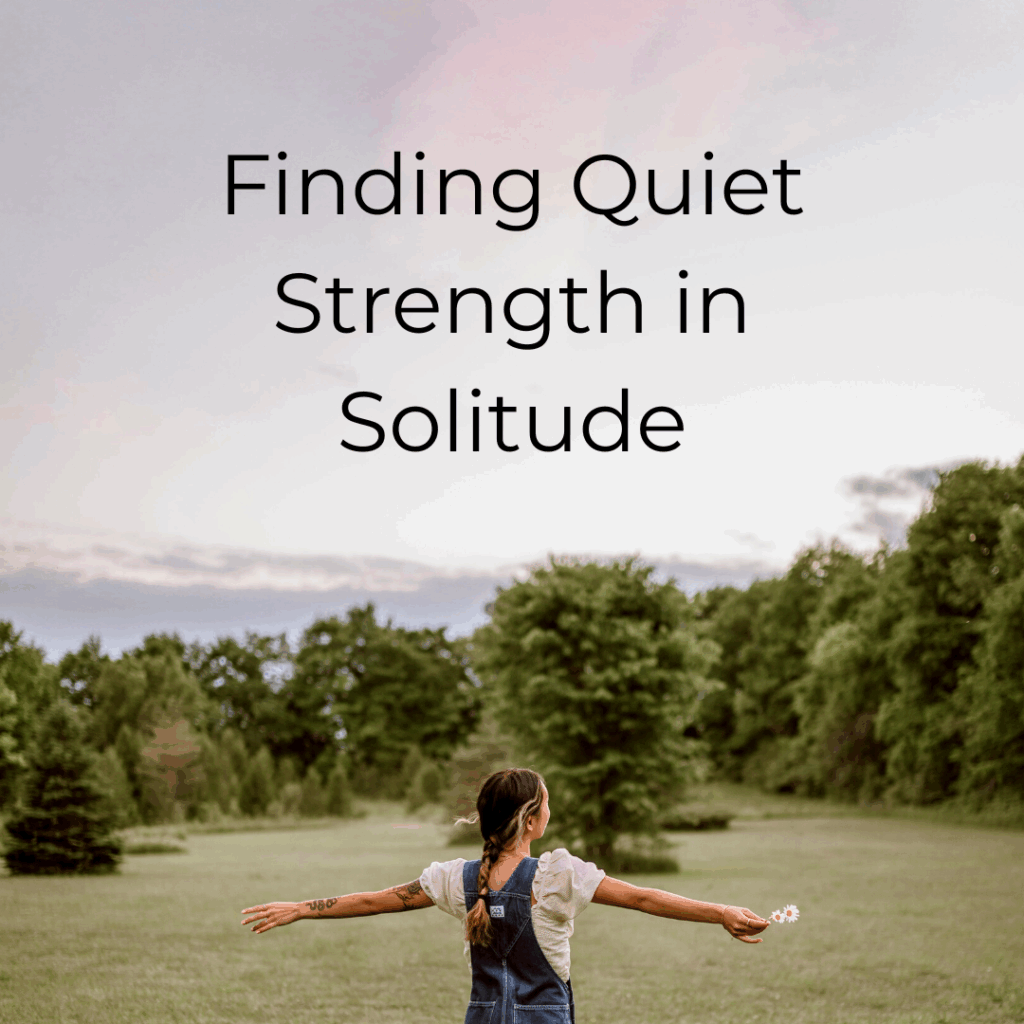
We are social beings, yet through the course of modern living, I’ve noticed loneliness becoming a kind of rabbit hole—too easily entered because life now feels like it’s everywhere, and yet somehow not anywhere at all.
Our human impulse is to reach out and connect. But with the world constantly at our fingertips through screens, I often find myself in a state of false expectation and endless stimulation—drawn outward instead of inward. This superficial contact becomes a fabricated copy of what should be genuine and beautiful: real life, enriched by people, nature, and meaning. And therein lies the loneliness. It doesn’t move or fulfill me; it drains me. Once that feeling begins, there must be a way out.
With a mental health condition, loneliness can trigger symptoms, and finding a remedy is not just important but urgent. I’ve long abandoned the idea that loneliness is a “romantic” byproduct of melancholia. It’s not. It’s a human condition that doesn’t listen. When I’m lonely, I need to listen—truly listen—to myself.
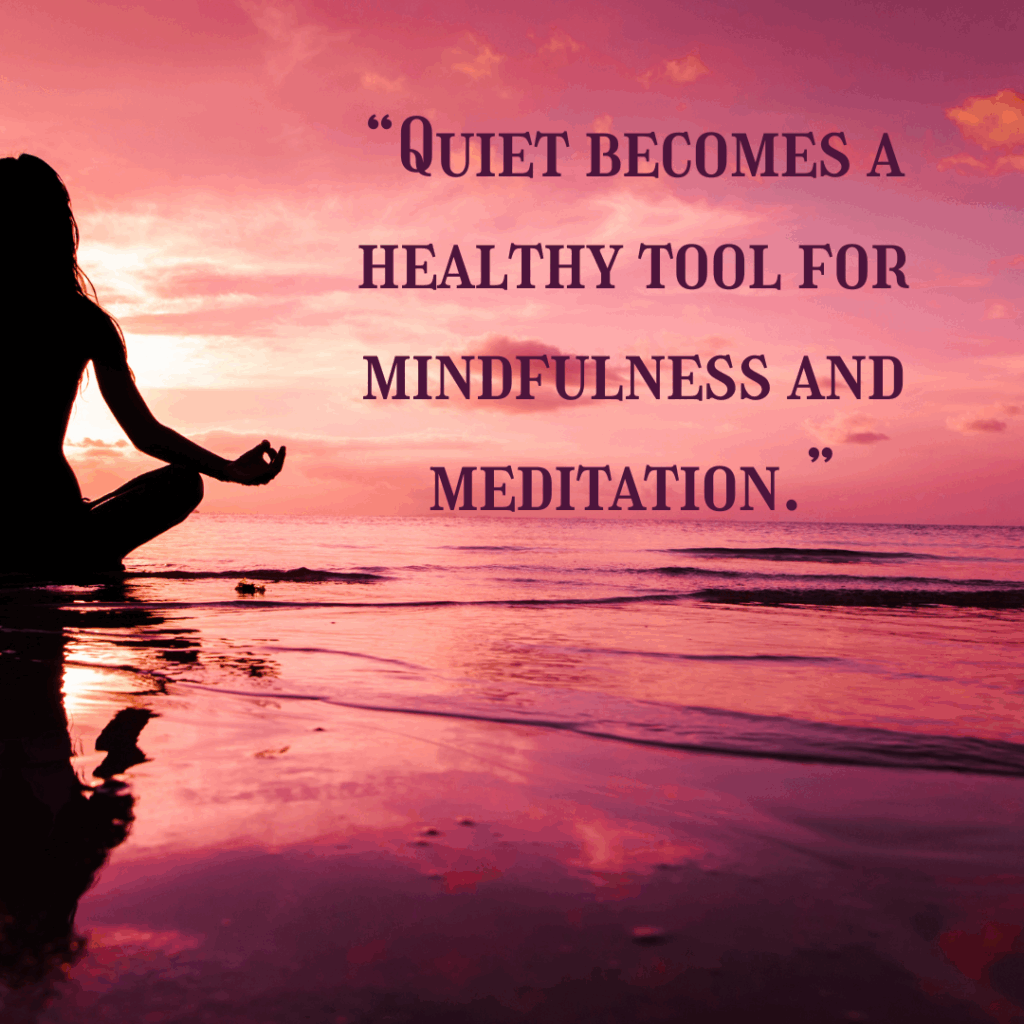
Silence helps me hear what I most need. Suddenly, in that quiet, loneliness begins to transform into solitude. By turning off the hollow echoes of digital noise and its artificial echo chamber, my anxiety lessens. I start to enjoy my surroundings again, building real personal connections with others or finding deeper spiritual grounding in places like nature or the woods. The old adage—that one needs to hear themselves think—rings true. After a dose of silence, I can listen more fully to myself and to others. The quiet becomes a healthy tool for meditation and mindfulness.
The benefit of knowing the difference between loneliness and solitude is that it offers guidance. If I feel the heaviness of loneliness—the angst and hopelessness—it signals me to act: take a walk, call someone, or sit with myself in true quiet. By recognizing the empty feeling versus the fulfilled one, I can call out loneliness and replace it with genuine connection—with myself or with something greater than myself. I know I have to make better choices. The choice matters: I can say, I choose to be alone rather than I am lonely. And that difference is profound.
Sometimes, of course, we will still feel and be lonely. Accepting that feeling is part of being human. But I’ve learned to ask why, to listen, and to take steps toward building a bridge out of it. If I hear myself needing connection, I can avoid the rabbit hole and instead seek what is real and supportive. Perhaps time with myself is not a curse but an opportunity—one that allows me to find deeper meaning and stronger bonds with myself and with others. In that, I discover the truth: being alone is not always the same as being lonely.