From One Side of the Phone to the Other
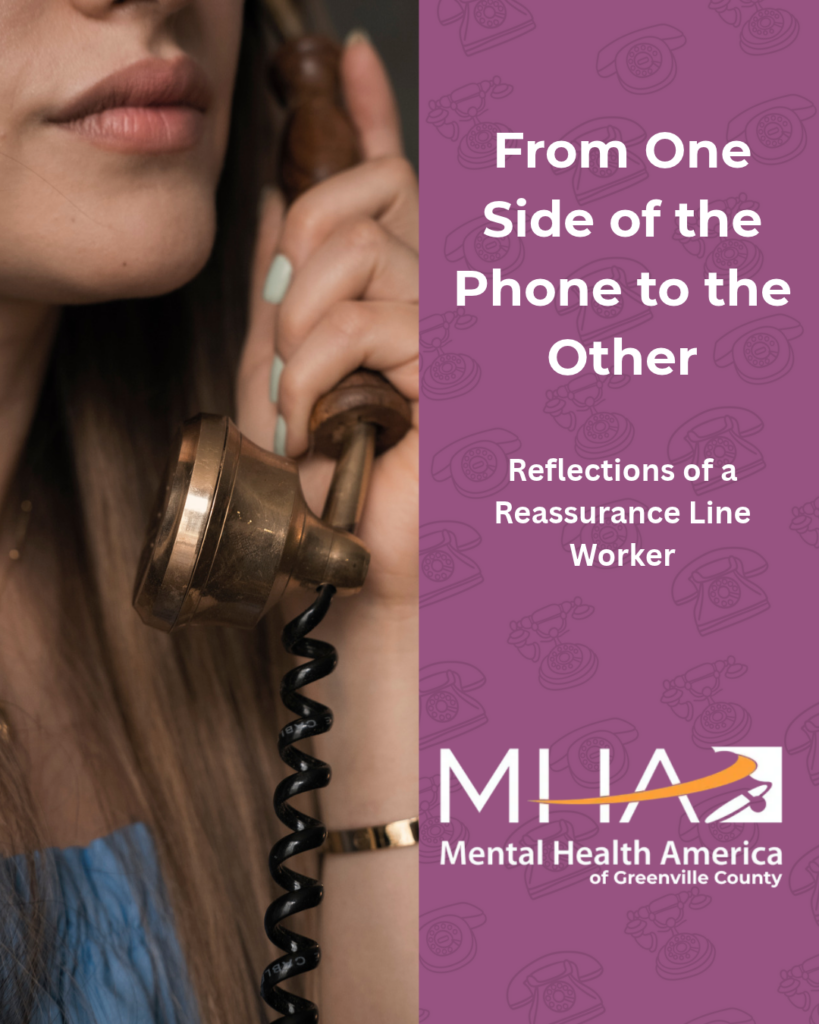
For many people who connect with MHAGC, receiving support can be the first step toward finding stability, connection, and a sense of purpose. For Reassurance Line worker Julie Peck, that journey eventually brought her from one side of the phone to the other.
After first connecting with MHAGC as a consumer, she eventually became a peer counselor on the Reassurance Line, drawing on her own experiences to connect with others.
What follows is her reflection on 12 years of listening, learning, and giving back.
It seems completely unimaginable that I’ve been working on the Reassurance Line (RL), MHAGC’s peer counseling line, for 12 years now. I’ve actually been involved with the agency for even longer, as I first engaged as a consumer for several years before graduating to work on the phones myself. We are peer counselors, after all, and the folks we speak with have the benefit of knowing that we’ve been in the trenches ourselves.
Graduating from one side of the phone to the other was a very big deal for me. When I was the one receiving the calls, I’ll admit I was often a “Voicemail Vera” – I’d lie in bed listening to the phone click over to messages and the nice person leaving a few words about my meds or asking about my day.
Recently, Executive Director Jennifer Piver noted that we all struggle with Voicemail Veras – after all, we’re here because we want to listen! But she told us that in the yearly survey, several of our folks mentioned how nice it is just to know that someone out there cares and is thinking about them. I know that’s sure how it felt for me.
As reassuring (see what I did there?) as the voicemails and calls from MHAGC were when I was a consumer, it’s my time spent working as a peer counselor that has truly made an immeasurable contribution to my life. When I first came to MHAGC, I was trying to pull myself out of a severe bipolar depressive episode; now, I’ve managed my brain-based chronic medical condition for more than 10 years with just one significant flare-up.
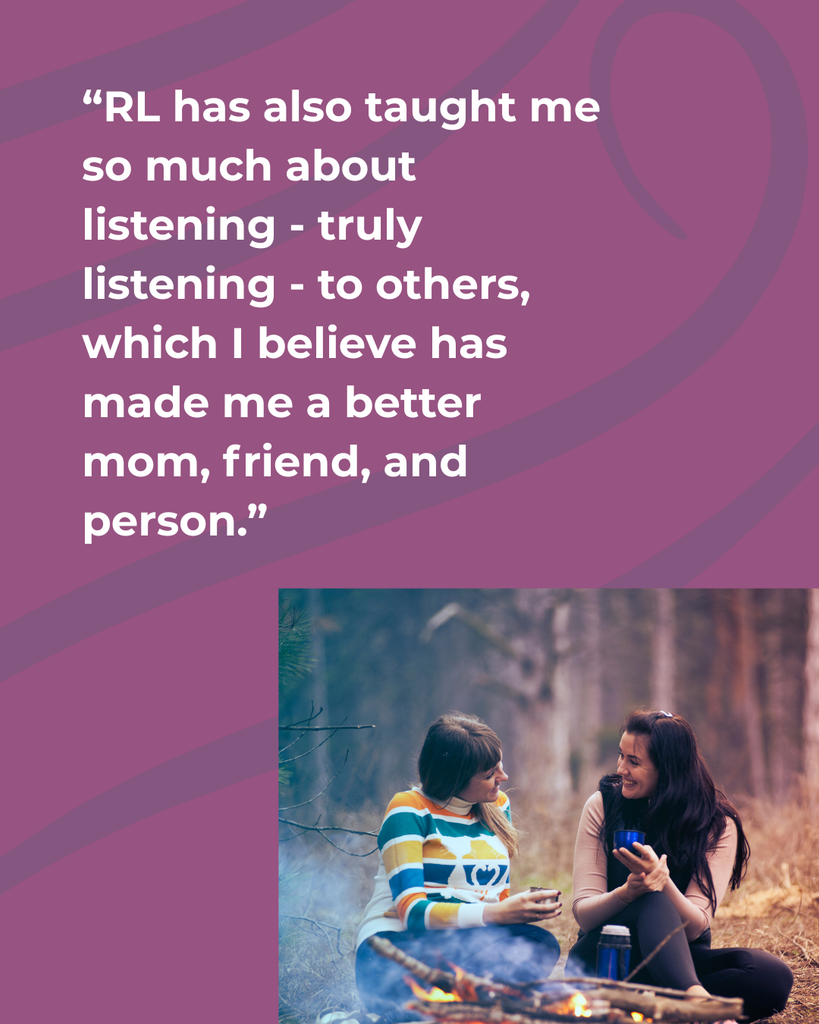
While I work hard at therapy, coping skills, and staying on my meds, I attribute a lot of that stability to feeling like I am giving back to my community through my work on RL. RL has also taught me so much about listening – truly listening – to others, which I believe has made me a better mom, friend, and person. After all, everyone with whom we engage has a story, whether we’re spending five minutes with them as they ring up our purchases at the grocery store, 30 minutes listening and reflecting with them on Reassurance Line, or a lifetime with them in close relationship.
RL has also taught me so much about patience and tolerance, but also about boundary setting. I’m able to engage with and hopefully assist others whose views are very different from mine, because I’m focused on our common humanity. But then, when I reach a point where that interaction may be impacting my own mental health, I’ve learned that I can speak up and advocate for myself, and that I’m still valued – I don’t have to be a people pleaser all the time anymore to the point that it starts to erode or impinge on what’s important to me.
During these 12 years, I’ve been through a lot, and so much has changed for me. Through it all, Reassurance Line has been a constant, and I’m so grateful for the opportunity to feel as though I am truly of service.
About the Reassurance Line
The Reassurance Line provides supportive peer-to-peer conversations for adults living with mental illness. Calls can offer connection, encouragement, and a listening ear from someone who understands that mental health challenges are part of real life.
Sometimes support looks like a crisis call. Sometimes it looks like a conversation that reminds someone that they aren’t alone. And sometimes, as this story reminds us, being there for someone else can become an important part of our own journey, too.