
At the end of the school year and summer’s start, many families look forward to a slower pace, vacations, and more time together. But for children and teens, summer can also bring unexpected mental health challenges. While teachers and educators often talk about the “summer slide” in schools, there is also a social and emotional slide that can happen when school routines disappear. For many young people, school provides structure, stability, daily social interaction, access to trusted adults, meals, and support systems that help them feel connected and safe.
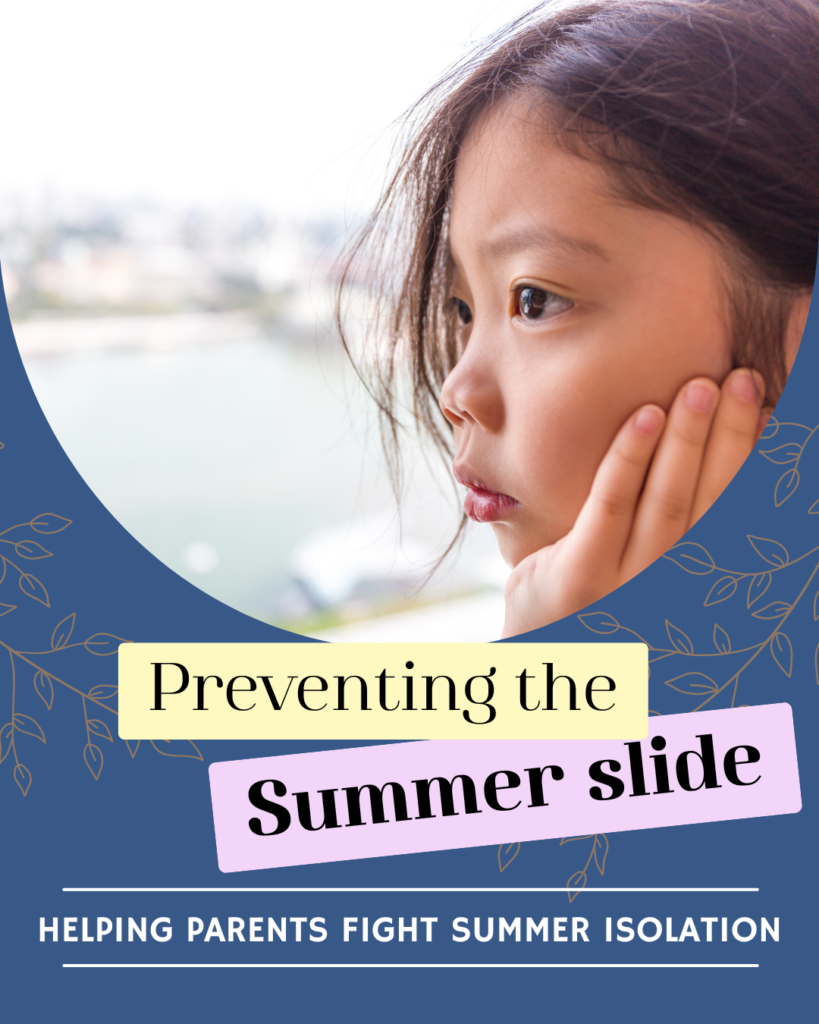
Research surrounding the growing “loneliness epidemic” continues to show that isolation and lack of connection can negatively impact both physical and mental health — especially for children and adolescents who are still developing socially and emotionally. During the summer months, kids may suddenly lose daily contact with friends, teachers, counselors, coaches, and mentors. Without intentional opportunities for engagement, some children experience increased anxiety, loneliness, boredom, irritability, or depression. This can be especially true for children who already struggle with mental health concerns or who rely heavily on school-based supports. Mental health organizations like NAMI’s Kids, Teens, & Young Adults Resource Center emphasize the importance of early support, connection, and open conversations about mental health for children and adolescents.
The good news is that connection, routine, and meaningful activities can make a tremendous difference. Summer is an excellent opportunity for families to focus on balance — creating time for fun and relaxation while still maintaining healthy habits and social interaction. Even simple routines like consistent bedtimes, regular mealtimes, and planned activities throughout the week can help children feel more secure and emotionally regulated.
Parents and caregivers can also encourage in-person time with friends, participation in camps or community activities, volunteering, summer reading, or hands-on learning experiences that build confidence and keep young minds engaged. Limiting excessive screen time and helping children stay active in their communities can reduce feelings of isolation and improve overall well-being.
Fortunately, Greenville County offers many free and low-cost resources to help families stay connected and supported throughout the summer:
- Greenville County Schools offers free summer meal programs for children throughout the community during the summer months. Greenville County Schools Summer Meals Program
- Greenville Technical College Adventure Tech Camps provide hands-on learning opportunities in areas like STEM, technology, arts, and career exploration.
- Greenville County Parks, Recreation & Tourism Summer Camps offer affordable day camps and scholarship opportunities for families needing financial assistance.
- Families looking for inexpensive outings and activities can explore Kidding Around Greenville’s Free & Low-Cost Summer Activities Guide.
- The Greenville County Library System Summer Reading Program includes reading incentives, free events, educational programs, and activities for children and teens all summer long.
If you feel your child may be struggling with the change in routine, isolation, anxiety, depression, or other emotional challenges this summer, there are resources available to help:

- The South Carolina Department of Behavioral Health and Developmental Disabilities offers support and connection resources for families through Connect SC Kids HOPE Portal.
- Mental Health America offers free, confidential online mental health screenings for youth and adults at MHA Mental Health Screening Tools.
- Parents and caregivers can also explore education, support, and youth-focused mental health resources through NAMI Kids, Teens & Young Adults.
- In a mental health crisis — or if someone simply needs support — help is available 24 hours a day, 7 days a week through 988. Individuals can call or text 988, or access chat and ASL services through 988 South Carolina.
Summer does not have to mean disconnection. By helping children maintain routines, develop friendships, and stay involved in their communities, families can support not only academic growth, but emotional well-being too. Sometimes the most important thing we can give children during the summer months is not a packed schedule, but consistent connection, support, and opportunities to belong.