On any average weekday, millions of Americans begin the same routine: wake up, get ready, and head to work. Hours are spent in meetings, answering emails, solving problems, and supporting teams. By the end of the day, many have spent more waking time with coworkers than with their own families. That reality makes one thing clear: where we work shapes how we live.
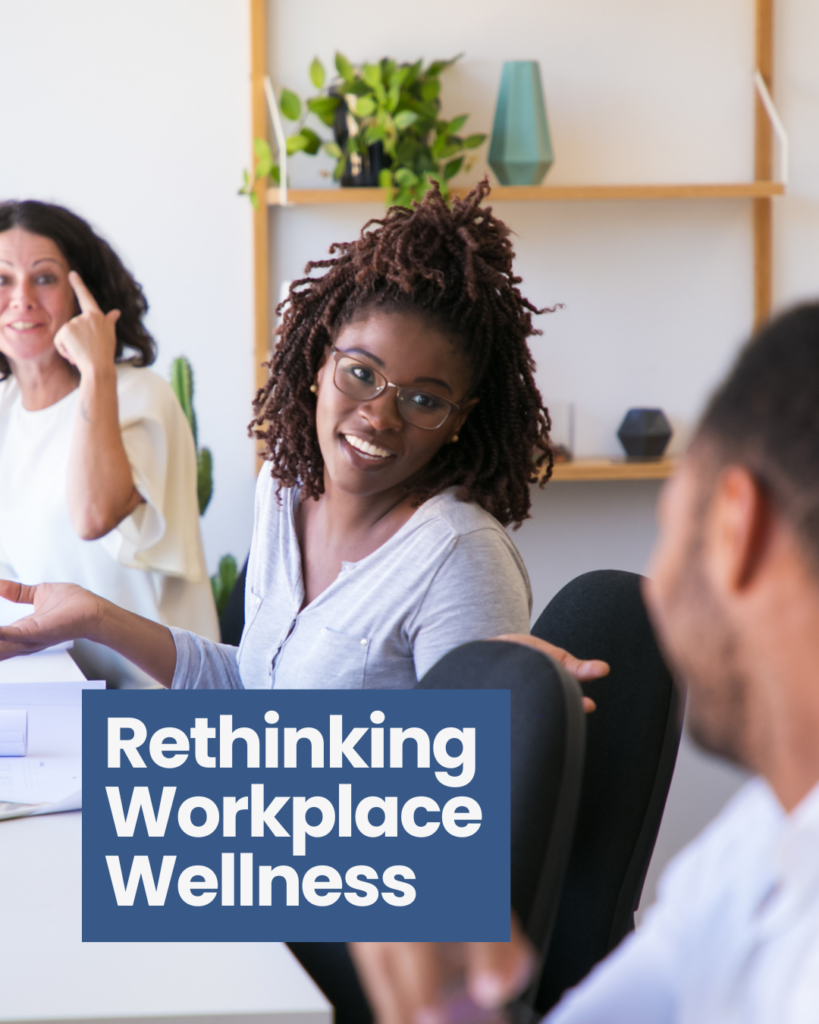
During Mental Health Awareness Month, conversations often center on personal well-being—getting enough sleep, managing stress, staying connected. But there’s a larger influence hiding in plain sight. Workplaces are not just where productivity happens; they are environments that can either support mental health or quietly erode it.
For years, workplace culture has been driven by performance, deadlines, and output. But organizations are beginning to recognize something important: mental health is not separate from the work. It’s embedded in every interaction, every expectation, and every policy.
Think about the employee struggling with anxiety while trying to meet deadlines. The caregiver balancing professional responsibilities with the round-the-clock needs of a loved one. The team member returning to the office after a crisis, unsure how to step back into their role. These experiences are more common than we often acknowledge, and they don’t stay at home when the workday begins.
That’s why building a culture of support is no longer optional; it’s critical.
Support: Meeting Employees Where They Are
A strong workplace starts by ensuring employees have access to care when they need it most. That means more than offering benefits on paper—it means creating systems that are trusted, affordable, and easy to navigate.
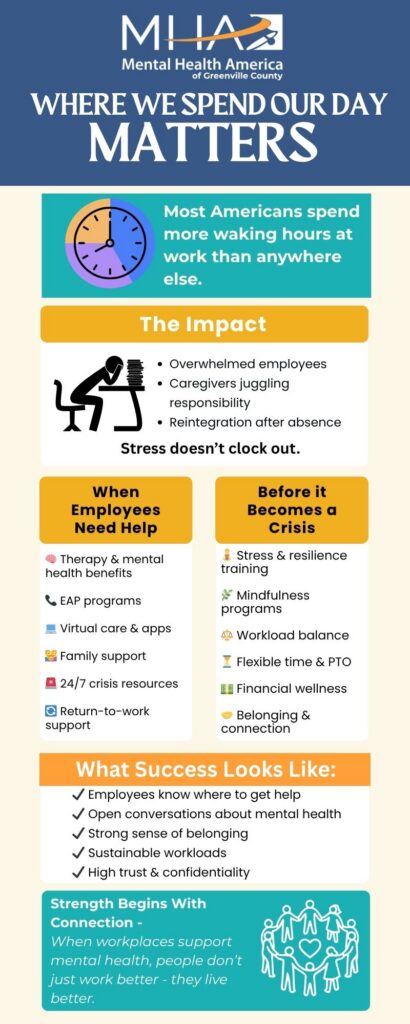
Effective workplace support includes:
- Mental health benefits such as therapy, psychiatry, and substance use care
- Employee Assistance Programs (EAPs)
- Digital tools like apps and virtual counseling
- Support for families and caregivers
- Crisis resources, including 24/7 support and urgent care access
- Return-to-work and reintegration programs
When these pieces are in place, success looks like employees knowing exactly where to turn, feeling confident their privacy will be respected, and being able to access help without unnecessary barriers.
Prevention: Building a Healthier Culture Before Crisis Hits
But the most impactful workplaces don’t stop at responding—they work to prevent. They recognize that mental wellness is shaped daily, not just in moments of crisis. Through intentional policies and practices, they create environments where employees can sustain their well-being over time.
Prevention in the workplace includes:
- Stress management and resilience training
- Mindfulness and emotional well-being programs
- Burnout prevention strategies and sustainable workloads
- Flexible work options and encouragement to use paid time off
- Financial wellness resources
- Psychological safety and stigma reduction
- Opportunities for connection, belonging, and community
When prevention is done well, the shift is noticeable. Conversations about mental health become more open. Employees feel a stronger sense of belonging. Support becomes proactive rather than reactive.
Leading by Example
This kind of culture doesn’t happen by accident—it’s built over time through intentional decisions and consistent investment. Here at Mental Health America of Greenville County, that commitment is part of the mission. We were recently awarded the Platinum level of the Workplace Wellness Seal by Mental Health America, recognizing our growing and ongoing dedication to workplace mental health. This recognition reflects more than a set of policies. It represents a culture where employees are supported not just as professionals, but as people—with real lives, real challenges, and real needs.
The Opportunity Ahead
If we’re serious about improving mental health outcomes, we have to look at the places where people spend most of their time. Workplaces have a unique opportunity—and responsibility—to be part of the solution.
It can be as simple as a manager creating space for an honest check-in; as impactful as offering accessible, around-the-clock support. Or as foundational as building a culture where taking time off is encouraged, not questioned. Because when workplaces invest in mental wellness, the impact goes far beyond productivity metrics. People feel supported. Teams grow stronger. Communities become healthier.
And that’s where real progress begins—with connection, with intention, and with a workplace that understands its role in the bigger picture.